“We're not shipping fast enough to win.”
Deals slip because the roadmap is behind, and hiring more engineers hasn't fixed it. The cause is usually upstream of engineering.
What's usually behind it →For founders, product leaders, and managers
You know you're not moving as fast as you should. What's harder to see is why: a people problem, a process problem, or something about how you lead. Six minutes and fourteen questions get you a one-page report that names the two or three gaps most worth fixing first, with a first move for each.
Sound familiar?
Deals slip because the roadmap is behind, and hiring more engineers hasn't fixed it. The cause is usually upstream of engineering.
What's usually behind it →Customers find the bugs before you do, and the team spends more time firefighting than building. More QA rarely fixes it on its own.
What's usually behind it →Every plan ends with “we need more people.” Headcount is the most expensive fix there is, and often not the right one.
What's usually behind it →Your strongest engineer seems restless. Good people rarely leave over pay alone. They leave over how the team works.
What's usually behind it →Who it's for
You've got something working: customers, revenue, a team pulling in roughly the same direction. And the habits that got you here have started to strain.
It's not for teams still searching for what to build. It measures how well your team executes, not whether the product is right.
Running it on your own? Start free. Want your whole leadership team's view? The team 360° shows where you agree and where you don't. Compare assessments →
Six patterns that shape startup execution — culture, decision-making, leadership balance, focus, technical foundation, role clarity — plus how your team identifies what to fix first.
A score for each pattern, calibrated against your stage. The two or three gaps most worth fixing first. A specific first move for each, and where to read more.
The patterns Paul Hepworth saw repeat across more than ten startups over eighteen years, written up in The Compounding Team.
How it works
The questions describe behavior, not aspiration. You pick what your team actually does, not what it ought to do. The report tells you where the gap between where you are and where your stage demands you be is biggest — and what to do about it first.
This assessment is about your team's ability to execute. It doesn't evaluate product-market fit or product strategy — those are different questions you're presumably already working on elsewhere. What it measures is the risk, blocks, and constraints quietly slowing your team down. Name them, fix them, and the rest of the work — strategy, product, growth — moves faster.
What's Holding Us Back
Each week I take one real situation someone is facing at work and record a short video: what's usually behind it, and one first move. A team that's stuck, a decision nobody will make, or something you want badly with something in the way. Send yours anonymously, or leave a way to reach you.
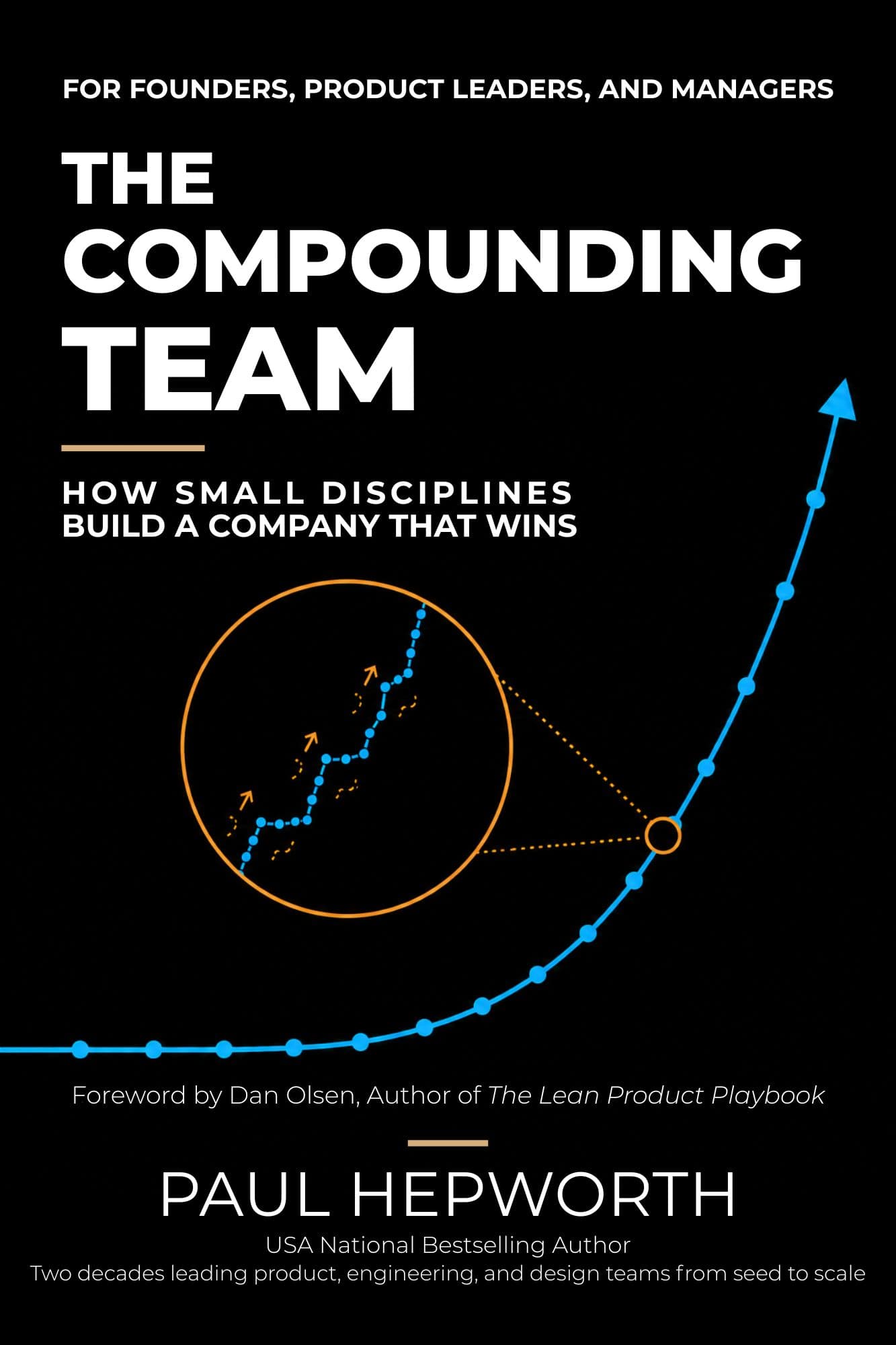
The book behind the assessment
How small disciplines build a company that wins.
Out now! Available on Amazon.
About Startup Slipstream
Paul Hepworth's fractional CTO and CXO practice. Slipstream works with founders past product-market fit — building the team, processes, and engineering foundation that the next stage actually demands. The framework behind this assessment is from The Compounding Team.